Head to head · October 2026
Galaxy Z Fold 8 vs iPhone 18 Pro Max in Jordan
A head-to-head spec comparison in JOD — below the table is a conditional take: who each phone suits and which trade-offs matter, rather than one verdict for everyone.

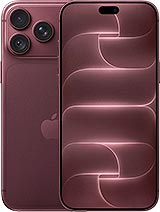
Spec differences between the Galaxy Z Fold 8 and the iPhone 18 Pro Max
The table uses published specs and the price status documented on each phone page (observed = from dated OpenSooq listings for new units, estimate = unverified). We have not tested either phone — a higher camera or battery number does not necessarily mean a better result.
| Galaxy Z Fold 81,449 JOD | iPhone 18 Pro Max1,250 JOD | |
|---|---|---|
| Price (JOD) | 1,449 (estimate) | 1,250 (observed) |
| Chipset | Snapdragon 8 Elite Gen 5 | Apple A20 Pro |
| Performance index | 96/100 | 100/100 |
| RAM | 12 GB | 12 GB |
| Base storage | 256GB+ | 256GB+ |
| Display | 7.6" Foldable AMOLED | 6.9" OLED 1.5K |
| Refresh rate | 120 Hz | 120 Hz |
| Rear camera | 50+50 MP | 48+48+48 MP |
| Front camera | 10 MP | 18 MP |
| Battery | 4,800 mAh | 5,391 mAh |
| Rated charging power | 45 W | 60 W |
| Release period | August 2026 | September 2026 |
Who is the Galaxy Z Fold 8 for, and who is the iPhone 18 Pro Max for?
Price: the iPhone 18 Pro Max is JOD 199 cheaper (1,250 vs 1,449) — the iPhone 18 Pro Max price is an observed figure and the Galaxy Z Fold 8 price is an estimate figure.
Chipset: Snapdragon 8 Elite Gen 5 vs Apple A20 Pro — practically the same tier on our index (96 and 100/100, derived from the chipset class, not from testing).
Display: Galaxy Z Fold 8: Foldable AMOLED, 120 Hz; iPhone 18 Pro Max: OLED 1.5K, 120 Hz. Compare panel type and refresh rate for reading and scrolling; we have no measured brightness or colour results here.
Charging: rated power is 45 W vs 60 W; these are not charging times. Check the included charger and supported protocol: peak power is not maintained throughout charging.
Battery: the iPhone 18 Pro Max has 591 mAh more capacity. Capacity is not measured endurance — display, chipset and usage change the outcome, and we have not measured either phone.
Camera: Galaxy Z Fold 8 50+50 MP (2 lenses) vs iPhone 18 Pro Max 48+48+48 MP (3 lenses). The numbers describe the setup (zoom/wide), not image quality — sensor and processing matter more, and we have not tested them.
Form factor: the Galaxy Z Fold 8 is a foldable (a larger inner screen when open — 7.6-inch — with a visible crease); the iPhone 18 Pro Max is a single-screen phone (6.9-inch). We have no weight or thickness data in the catalog, so we do not judge those.
Platform: the iPhone 18 Pro Max runs iOS and the Galaxy Z Fold 8 runs Android — in practice the biggest difference: your apps, accessories and other devices (watch/laptop) decide more than any row in the table.
Who is it for? The iPhone 18 Pro Max is both cheaper and higher on the chipset index — it suits most people unless you specifically want something from the Galaxy Z Fold 8 (platform, form factor, brand, or camera based on your own experience).
We have not tested either phone — this take is built from published specs and the price status documented on each phone page.
Note: Observed price = a representative new-unit price from dated OpenSooq listings; estimate = unverified reference. Specs come from official announcements; we have not tested either phone.