Head to head · October 2026
Huawei Nova 14 vs Xiaomi 14T in Jordan
A head-to-head spec comparison in JOD — below the table is a conditional take: who each phone suits and which trade-offs matter, rather than one verdict for everyone.
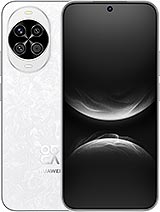

Spec differences between the Huawei Nova 14 and the Xiaomi 14T
The table uses published specs and the price status documented on each phone page (observed = from dated OpenSooq listings for new units, estimate = unverified). We have not tested either phone — a higher camera or battery number does not necessarily mean a better result.
| Huawei Nova 14275 JOD | Xiaomi 14T275 JOD | |
|---|---|---|
| Price (JOD) | 275 (estimate) | 275 (estimate) |
| Chipset | Kirin 8010 | Dimensity 8300 Ultra |
| Performance index | 53/100 | 67/100 |
| RAM | 12 GB | 12 GB |
| Base storage | 256GB | 256GB+ |
| Display | 6.7" OLED FHD+ | 6.67" AMOLED 1.5K |
| Refresh rate | 120 Hz | 144 Hz |
| Rear camera | 50+8 MP | 50+50+12 MP |
| Front camera | 50 MP | 32 MP |
| Battery | 5,500 mAh | 5,000 mAh |
| Rated charging power | 100 W | 67 W |
| Release period | May 2025 | September 2024 |
Who is the Huawei Nova 14 for, and who is the Xiaomi 14T for?
Price: about the same (JOD 275) — estimate/estimate.
Chipset: the Xiaomi 14T has a higher specification-based index (67 vs 53/100). This is a chipset-class comparison, not measured gaming performance.
Display: Huawei Nova 14: OLED FHD+, 120 Hz; Xiaomi 14T: AMOLED 1.5K, 144 Hz. Compare panel type and refresh rate for reading and scrolling; we have no measured brightness or colour results here.
Charging: rated power is 100 W vs 67 W; these are not charging times. Check the included charger and supported protocol: peak power is not maintained throughout charging.
Battery: the Huawei Nova 14 has 500 mAh more capacity. Capacity is not measured endurance — display, chipset and usage change the outcome, and we have not measured either phone.
Camera: Huawei Nova 14 50+8 MP (2 lenses) vs Xiaomi 14T 50+50+12 MP (3 lenses). The numbers describe the setup (zoom/wide), not image quality — sensor and processing matter more, and we have not tested them.
Who is it for? Same price (JOD 275), so price does not decide it — the Xiaomi 14T is higher on the chipset index (67 vs 53/100); the Huawei Nova 14 makes sense if another row matters more to you (display, battery capacity, camera setup, platform).
We have not tested either phone — this take is built from published specs and the price status documented on each phone page.
Note: Observed price = a representative new-unit price from dated OpenSooq listings; estimate = unverified reference. Specs come from official announcements; we have not tested either phone.