Figures as published (July 30, 2026). Prices written in the article text are our catalog's figures when it was written, and prices move — each phone's current price and its status (observed with a date, or an estimate) are on its page and in the “Phones mentioned” cards below, and any device or brand count above belongs to that date.
Chipset names change every year, which makes it hard to tell whether the number in front of you is genuinely high or just marketing. The easier approach is to start from the family rather than the model: every family has a known floor and ceiling, and a device rarely escapes the range of its family. Here is how the families read in our data, with our performance index scored out of 100.
Snapdragon and Dimensity: where the top end comes from
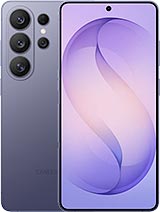
Snapdragon by Qualcomm is the widest family in our database: 1460 devices, a performance range from 6 to 98, a median of 38 and a median price of JOD 82. In other words, the word Snapdragon on its own tells you nothing — the same family contains both the weakest and the strongest devices. At the top sits the Galaxy S26 Ultra with a Snapdragon 8 Elite Gen5, an index of 98, a 6.9-inch 120Hz screen and a 5000mAh battery, starting at JOD 719.
Dimensity by MediaTek is no longer the cheap alternative: 499 devices, a range from 22 to 97, and a median of 48 — higher than Snapdragon's median, because it is concentrated in the mid and upper-mid tiers rather than the entry level, with a median price of JOD 145. The top example here is the Oppo Find X9 Pro with a Dimensity 9500 and an index of 97, a 7500mAh battery and 80W charging, starting at JOD 999.
Helio and Unisoc: a clear ceiling that does not move
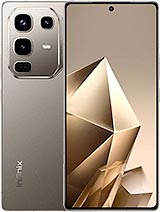
Helio is also MediaTek, but this is the budget family: 722 devices, and the highest index across the entire family is 46 — meaning the strongest Helio we list still sits below Dimensity's own median. The median is 15 and the median price is JOD 48. The best example is the Infinix Note 50 Pro with a Helio G100 Ultimate and an index of 46 at JOD 185, paired with a 144Hz AMOLED panel, a 5200mAh battery and 90W charging. Note what is happening: you are paying for the screen and the charging, not for the chip.
Unisoc is less common: 317 devices, a range from 6 to 38 with a median of 19, and a median price of JOD 58. The best of it looks like the Nubia Neo 2 5G with a Unisoc T820 and an index of 38 at JOD 105. This tier handles calls, messaging and browsing perfectly well, but be realistic: do not build heavy gaming or video editing on it, and do not expect the same smoothness once apps pile up.
The families locked to a single brand
Apple accounts for only 44 devices here, yet it has the highest median of any family at 66, a range from 24 to 100 and a median price of JOD 274 — largely because it never goes below a certain tier at all. The highest score on the entire site belongs to the iPhone 17 Pro Max with an Apple A19 Pro and an index of 100, starting at JOD 889. Samsung's Exynos covers 175 devices with a range from 8 to 93 and a median of 20, so the same name spans a budget phone and a flagship. Huawei's Kirin covers 170 devices with a ceiling of 72, and Google's Tensor covers 19 devices ranging from 47 to 72 — both families peak below the Snapdragon and Dimensity ceilings in our index, which is worth knowing before you spend more than JOD 600 — but note our index is derived from the chipset tier, not a performance test, and it measures neither camera nor software experience.
- A big number inside a budget family is still budget: the strongest Helio here scores 46, which sits below Dimensity's own median of 48.
- The suffix marks a revision, not a tier: Helio G100 Ultimate scores 46 while Helio G100 Ultra scores 45.
- Tier matters more than the name: the Snapdragon 8 Elite Gen5 in the Galaxy S26 Ultra reaches 98, and a lower-tier Snapdragon is a different world even when the name looks similar.
- If you game or shoot a lot, stay in the upper tiers of Snapdragon or Dimensity. If your use is ordinary daily work, Helio or Unisoc saves you money without costing you anything you actually need.
What this analysis is based on
The figures here are computed from the Phones JO catalog itself — specifications taken from manufacturers’ official announcements, and prices from dated observation runs of OpenSooq listings for new units. This is not rewritten from other sites, and we have not tested the phones ourselves. Our method in detail ›
Follow our prices on Google: add Phones JO as a preferred source